Why Are My Teeth Suddenly Sensitive?
It usually starts with something small.
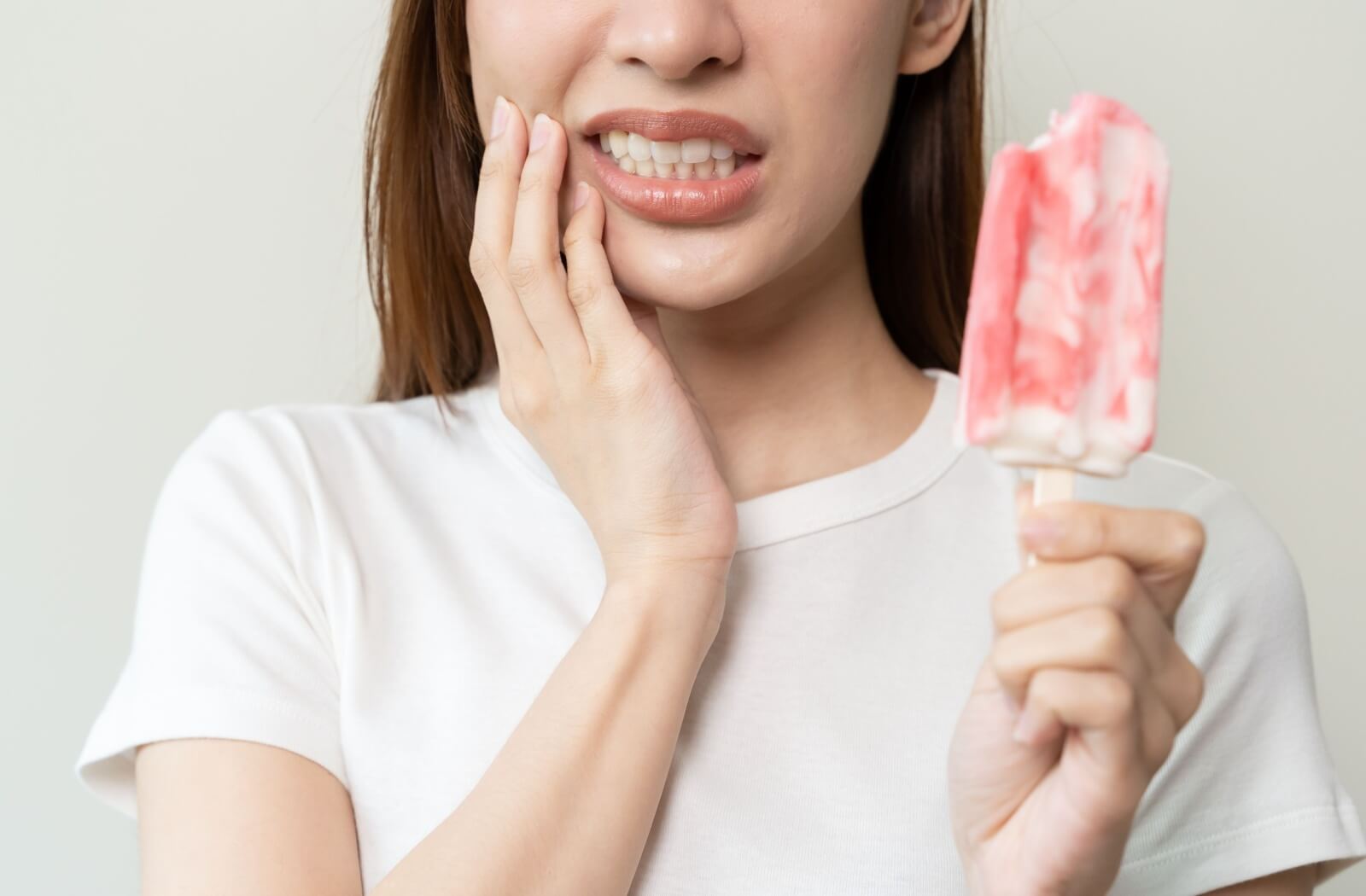
You take a sip of iced tea on a warm afternoon, expecting that refreshing chill and instead feel a sharp zing in one of your teeth. Or maybe it happens with your morning coffee, a bite of ice cream, or even while brushing your teeth.
If you’ve ever had that sudden jolt of discomfort, you’re not alone. Tooth sensitivity is one of the most common concerns dentists hear about. What surprises many people is how quickly it can appear, even if your teeth have felt perfectly fine for years.
So what changed?
The answer often comes down to the inner layers of your teeth becoming exposed or irritated. When that happens, everyday things like cold drinks, hot foods, sweet treats, or even a breath of cold air can trigger a brief but uncomfortable sensation.
Fortunately, in many cases tooth sensitivity is both treatable and preventable once you understand what’s causing it.
What Causes Sudden Tooth Sensitivity?
Even if sensitivity seems to appear overnight, the underlying causes usually develop gradually.
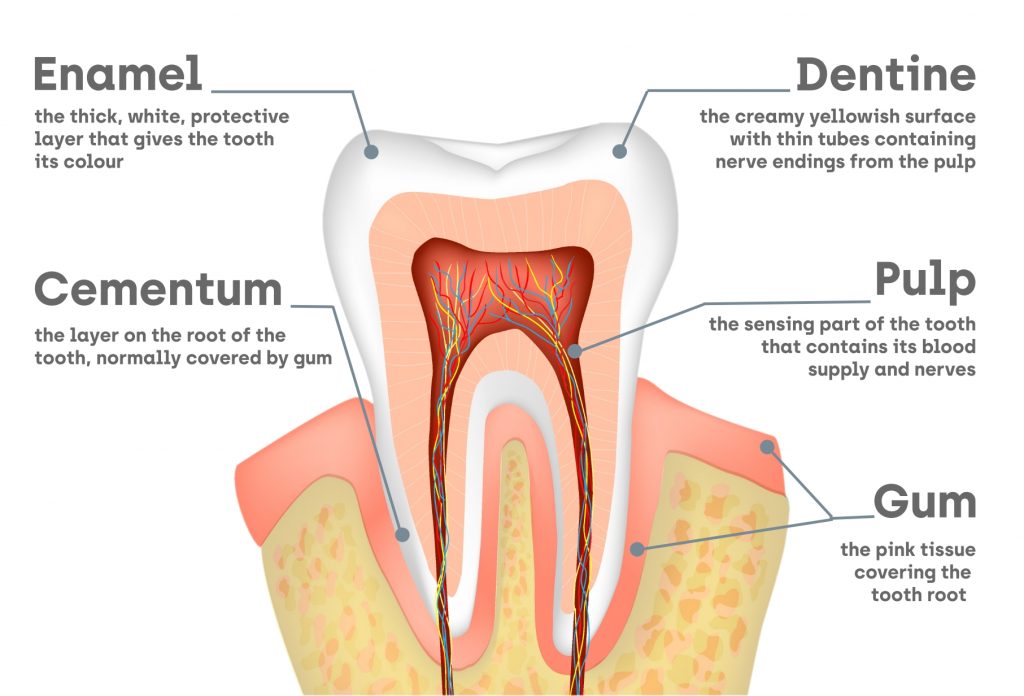
Your teeth are protected by a strong outer layer called enamel. Beneath that is dentin, which contains tiny channels leading directly to the nerve of the tooth.
When enamel wears down or gums recede, those pathways become exposed—allowing temperature and pressure to reach the nerve more easily.
Several common factors can lead to this:
Enamel Wear
Acidic foods and drinks, aggressive brushing, or grinding your teeth can slowly wear away enamel over time.
Gum Recession
As gums pull back from the teeth—often due to gum disease or brushing too hard—the sensitive root surfaces become exposed.
Recent Dental Work
Sensitivity after fillings, crowns, or whitening treatments can occur temporarily as the tooth adjusts.
Tooth Grinding
Clenching or grinding (often during sleep) places pressure on teeth and can wear enamel down faster than you might expect.
Cavities or Cracked Teeth
Sometimes sudden sensitivity is your tooth’s way of signaling that something deeper needs attention.


When Sensitivity Is a Sign You Should See Your Dentist
Occasional mild sensitivity can often be managed with a few changes at home. But persistent or worsening sensitivity may indicate an underlying problem.
You should schedule a dental visit if:
-
The sensitivity lasts longer than a few days
-
Pain occurs when biting or chewing
-
One specific tooth is consistently sensitive
-
Sensitivity is severe or sudden
Your dentist can determine whether the cause is enamel wear, gum recession, a cavity, or another issue—and recommend the right treatment.
What Can Help Reduce Tooth Sensitivity?
The good news is that there are several effective ways to reduce sensitivity and protect your teeth moving forward.
Desensitizing Toothpaste
Specially formulated toothpaste helps block the tiny pathways that lead to the nerve.
Gentler Brushing
Using a soft-bristled toothbrush and light pressure protects enamel and gums.
Fluoride Treatments
Professional fluoride applications strengthen enamel and reduce sensitivity.
Addressing Grinding or Gum Issues
Nightguards, gum treatments, or restorative care may be recommended depending on the cause.
Don’t Ignore What Your Teeth Are Telling You
If your teeth have suddenly become sensitive, don’t ignore it. Sensitivity is often your teeth’s way of signaling that something has changed—whether it’s enamel wear, gum recession, or a developing cavity.
The good news is that many causes of sensitivity are simple to diagnose and treat when caught early.
At Bright Star Dental in Las Cruces, Dr. Tyler Parsons uses modern diagnostic tools and gentle treatment options to identify the cause of sensitivity and restore your comfort quickly.
If cold drinks, sweets, or brushing have started to make you wince, schedule an appointment today. Relief may be easier than you think.
Call Bright Star Dental or request an appointment online to get back to enjoying your favorite foods comfortably again.