7 Signs You May Have a Cracked Tooth
It usually starts in a way that’s easy to dismiss. You’re enjoying your morning coffee or biting into something simple, and suddenly there’s a sharp, unexpected pain. It fades quickly, so you tell yourself it was nothing. Maybe you chewed wrong. Maybe your tooth is just sensitive today.
But then it happens again.
At Bright Star Dental, we often meet patients who come in with this exact story. What seems minor at first can actually be one of the earliest warning signs of a cracked tooth. The challenge is that cracked teeth are not always visible and the symptoms can come and go, making them easy to ignore until the problem becomes more serious.



Here are seven signs to watch for:
1. Pain When Biting or Chewing
One of the most common signs of a cracked tooth is discomfort when you bite down. You may feel a sharp pain that disappears as soon as you release the pressure. This happens because the crack allows parts of the tooth to move slightly when force is applied.
2. Sensitivity to Hot or Cold
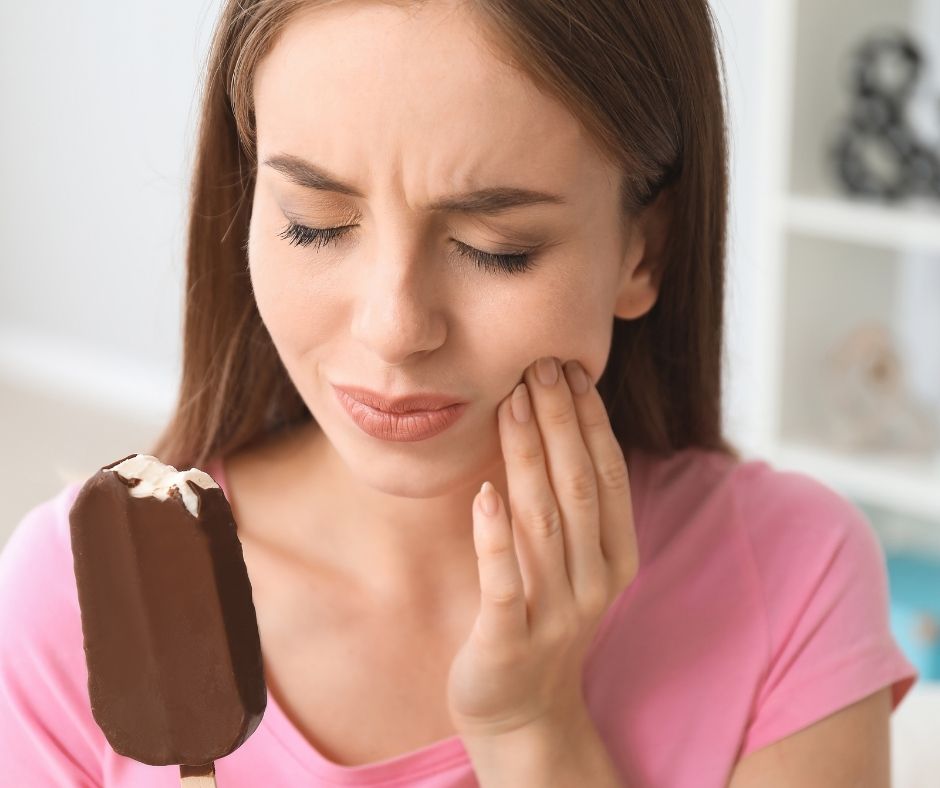
If your tooth suddenly reacts to hot coffee or cold water, especially when it never did before, it could indicate a crack. The damage can expose the inner layers of the tooth, where nerves are more easily triggered.
3. Sensitivity to Sweet Foods
A cracked tooth can also make sugary foods uncomfortable. This type of sensitivity often feels sharp and quick, rather than dull or lingering.
4. Pain That Comes and Goes
Unlike a cavity, which often causes consistent discomfort, a cracked tooth can be unpredictable. You might feel pain one moment and nothing the next, depending on how you bite or what you eat.
5. Swelling Around the Tooth
If the crack extends deeper or leads to infection, you may notice swelling or tenderness in the surrounding gums. This is a sign that the issue may be progressing and should be evaluated promptly.
6. Difficulty Identifying the Source of Pain
Many patients tell us they cannot pinpoint which tooth hurts. Cracked teeth can be tricky because the pain can feel spread out or inconsistent, making it harder to identify without a professional exam.
7. A Tooth That Feels “Off”
Sometimes the best way patients describe it is that something just does not feel right. The tooth may not hurt constantly, but it feels different when chewing or touching it with your tongue.
Why Cracked Teeth Should Not Be Ignored
Even a small crack can worsen over time. Everyday chewing places pressure on the tooth, which can cause the crack to expand. Left untreated, this can lead to infection, nerve damage, or even tooth loss.
The good news is that early treatment can often save the tooth. Depending on the severity, solutions may include a custom crown to protect the tooth, bonding, or in more advanced cases, root canal therapy.
When to See a Dentist
If you recognize any of these symptoms, it is worth having it checked. Waiting for the pain to become constant usually means the damage has progressed further than necessary.
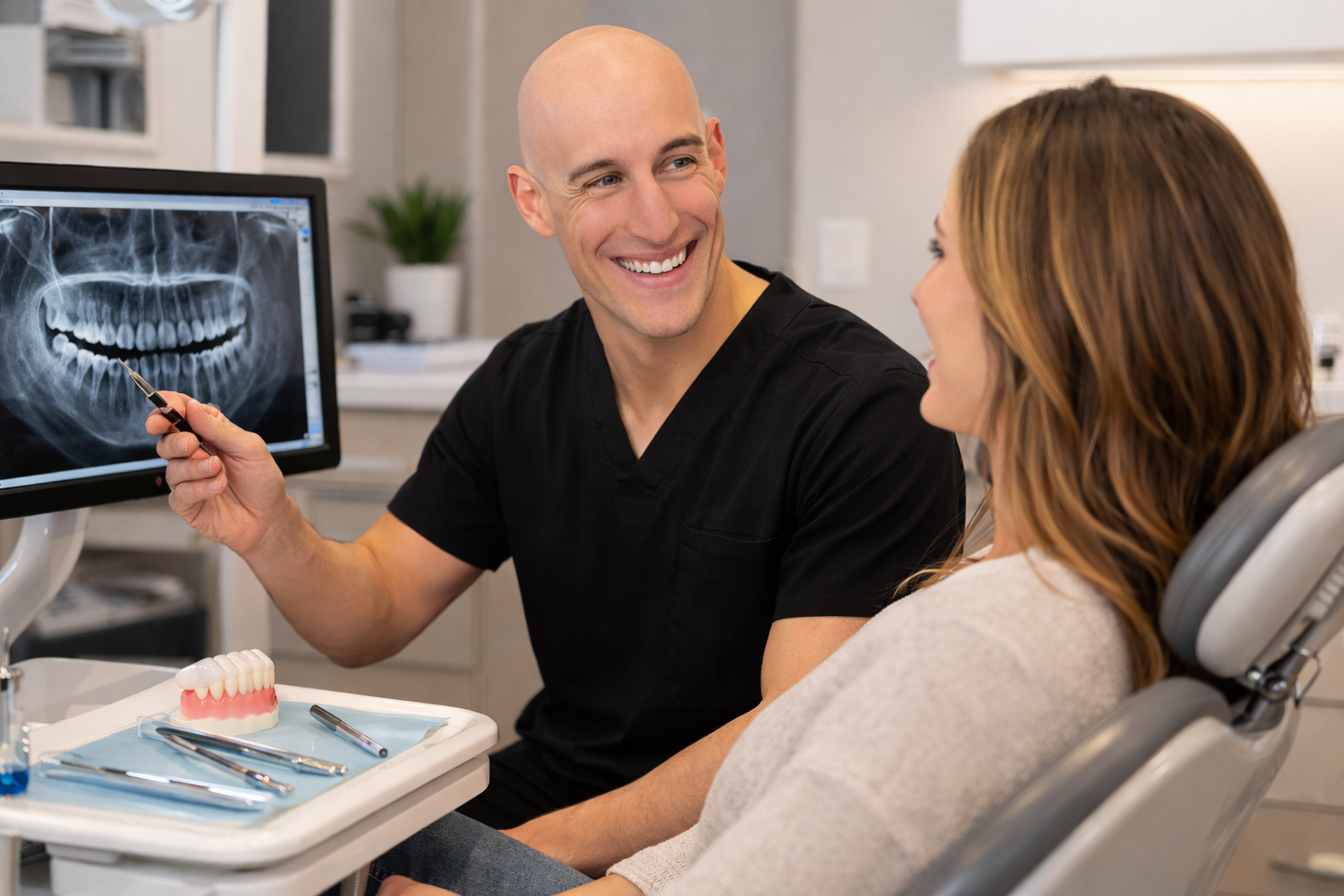
At Bright Star Dental, Dr. Tyler Parsons uses advanced diagnostic tools and a gentle, personalized approach to identify and treat cracked teeth before they become bigger problems.
Protect Your Smile Before It Gets Worse
If something feels off, trust that instinct. Teeth rarely hurt without a reason, and catching a crack early can make all the difference.
Call Bright Star Dental today to schedule your evaluation and get back to eating, smiling, and living comfortably again.