
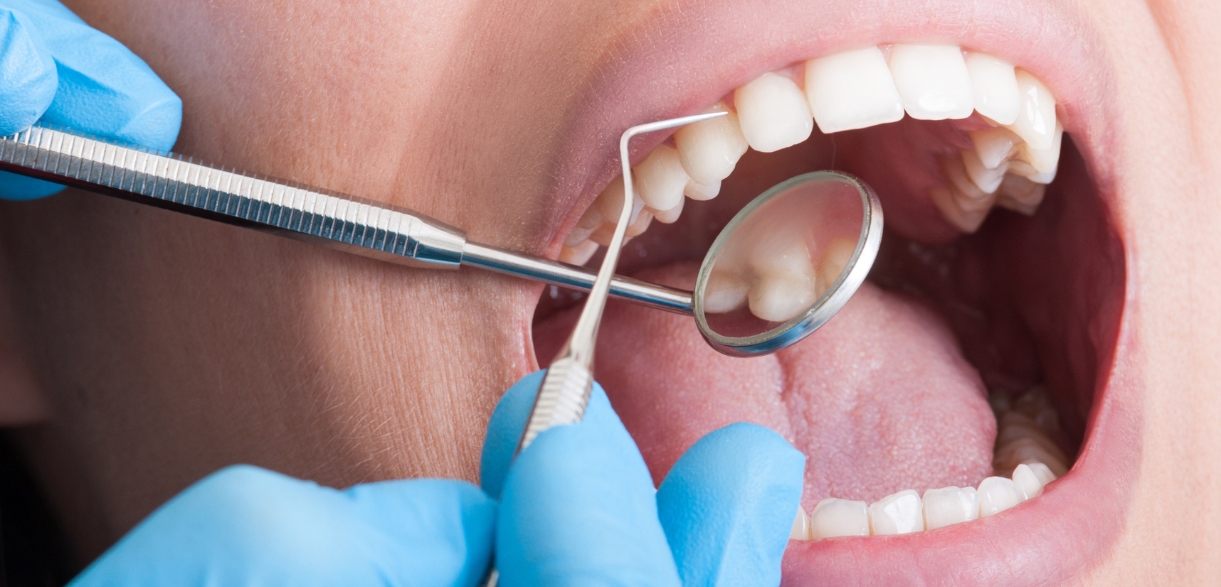
Can You Reverse Tooth Decay Without a Filling?
If you have ever been told, “we will just keep an eye on that tooth,” you probably know what usually comes next.
At some point, that “watch area” turns into a filling.
So the natural question becomes… is there a way to stop that from happening?
Can you actually reverse tooth decay before it reaches the point of needing a filling?
The answer might surprise you.
Understanding How Tooth Decay Begins
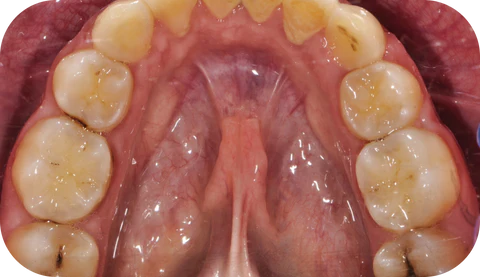
Tooth decay does not start as a hole in your tooth.
It begins much earlier, as a process called demineralization. This is when acids from bacteria start to weaken the enamel, creating tiny areas of damage that are often invisible to the untrained eye.
At this stage, your tooth is not yet a cavity. It is a warning sign.
And this is where things get interesting.
Yes, Early Tooth Decay Can Be Reversed
In its earliest stage, tooth decay can often be stopped and even reversed.
Your body naturally works to repair enamel through a process called remineralization, using minerals like calcium and phosphate from your saliva.
With the right conditions, this process can strengthen the tooth again and prevent further damage.
However, once a true cavity forms, meaning there is a physical hole in the tooth, it cannot heal on its own and will require a filling.
Timing is everything.
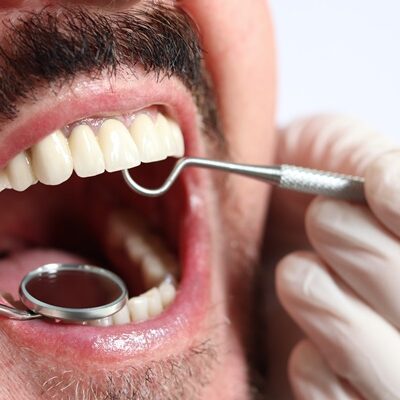
How Modern Dentistry Changes the Game
For years, dentistry has focused on monitoring early areas and waiting until treatment is necessary.
Today, we have better options.
At Bright Star Dental, Dr. Tyler Parsons uses a more preventive approach, identifying these early areas before they become cavities and stepping in sooner when appropriate.
One of the most exciting tools we use is a treatment called Curodont.
A No Drill Approach to Early Decay
Curodont is designed to treat early tooth decay before it becomes a cavity.
Instead of drilling, this treatment is applied directly to the affected area. It works by supporting the natural remineralization process and helping rebuild the enamel from within.
This allows us to:
-
Stop decay earlier
-
Preserve more of your natural tooth
-
Avoid fillings whenever possible
-
Provide a more comfortable experience
It is a simple, non invasive way to change the trajectory of a tooth that would otherwise need treatment later.
What You Can Do at Home
While professional treatments play an important role, your daily habits still matter.
To support enamel health and help prevent early decay:
-
Brush with fluoride toothpaste
-
Floss daily
-
Limit frequent snacking and sugary drinks
-
Stay hydrated to support saliva production
-
Keep up with regular dental visits
These small habits create the environment your teeth need to stay strong.

When a Filling Is Still Necessary
It is important to be clear. Not all decay can be reversed.
If the enamel has already broken down and a cavity has formed, a filling is the best way to restore the tooth and prevent further damage.
The goal is not to avoid fillings at all costs, but to prevent them whenever possible through early detection and treatment.
A Smarter, More Preventive Approach
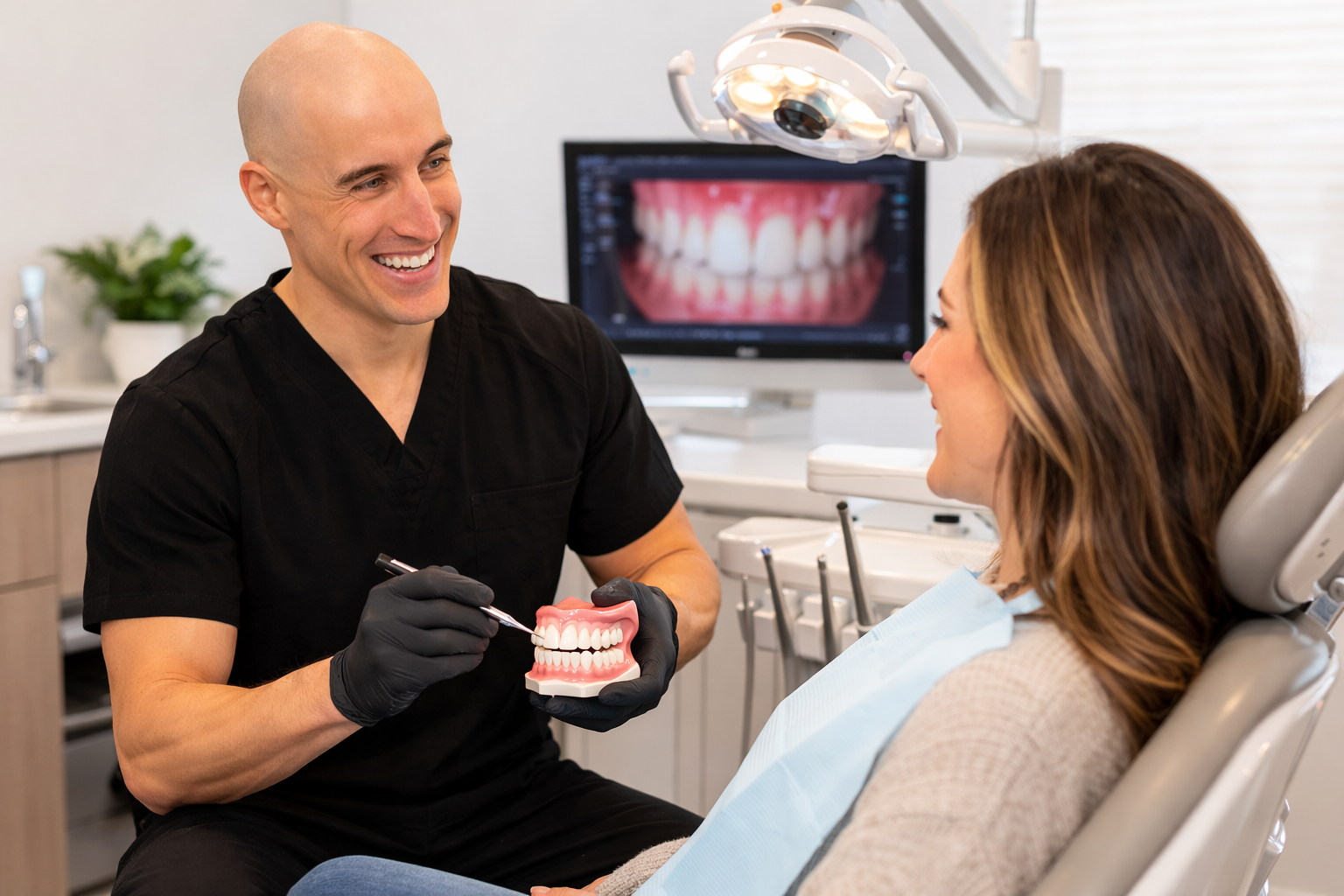
Dentistry is shifting from reactive to proactive.
Instead of waiting for problems to get worse, we now have the ability to identify, monitor, and often treat issues earlier in a more conservative way.
That means fewer procedures, more natural tooth structure preserved, and a better overall experience for you.
Do You Have a Tooth That Is Being “Watched”
If you have been told to keep an eye on a tooth, it may be the perfect time to ask if there are options to intervene earlier.
At Bright Star Dental, we are committed to helping you protect your smile in the most conservative and effective way possible.
Schedule your visit today and find out if early treatment options like Curodont are right for you.