

Why Do My Teeth Hurt When I Wake Up?
 It’s a strange way to start the day. You wake up, stretch, and before you’ve even poured your first cup of coffee, you notice something feels off. Your teeth feel sore. Your jaw might feel tight. Maybe there’s even a dull headache that fades as the morning goes on. By lunchtime, everything seems normal again. So what happened overnight? If your teeth hurt when you wake up, you’re not imagining things-and you’re certainly not alone. Morning tooth pain is a surprisingly common complaint, and in many cases, the cause has been happening quietly while you sleep. Understanding why it happens can help you protect your teeth and prevent bigger problems later.
The Most Common Cause: Nighttime Teeth Grinding
One of the most frequent reasons teeth feel sore in the morning is bruxism, or nighttime teeth grinding. Many people clench or grind their teeth while they sleep without realizing it. Over time, the constant pressure can strain the teeth, jaw muscles, and surrounding ligaments. Signs you may be grinding your teeth at night include:
- Sore teeth when you wake up
- Jaw tightness or fatigue
- Morning headaches
- Worn or flattened teeth
- Increased tooth sensitivity
Stress, sleep disturbances, and bite alignment issues can all contribute to nighttime grinding. 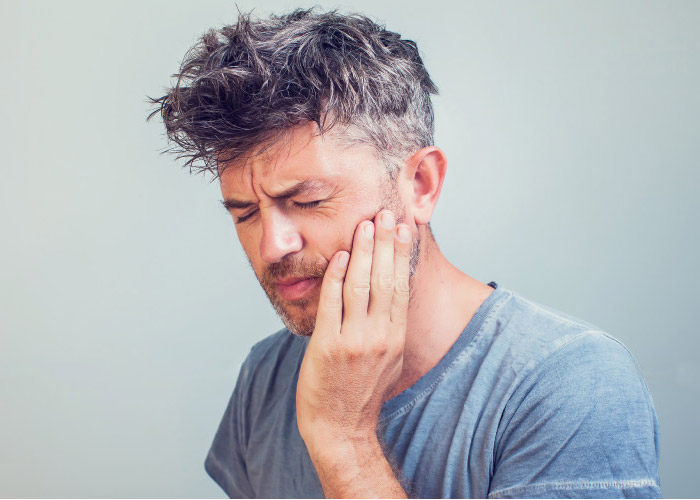

Jaw Muscle Strain
Your jaw muscles work harder than you might think while grinding or clenching. If those muscles remain contracted during sleep, they can feel fatigued and sore by morning-similar to how your legs might feel after an intense workout. That soreness can radiate into your teeth, temples, or ears.
A Cracked or Damaged Tooth
Sometimes morning tooth pain is the first sign of a cracked tooth. When you clench your teeth overnight, pressure on a small fracture can irritate the nerve inside the tooth. This often causes pain when you wake up that gradually fades throughout the day. If the pain becomes sharper when biting down or chewing, it’s important to have the tooth evaluated.
Sinus Pressure
Your upper back teeth sit very close to the sinus cavities. During allergy season or sinus infections, inflammation can place pressure on those tooth roots. This often leads to dull aching in several upper teeth, especially first thing in the morning when sinus pressure tends to be strongest.
Bite Alignment Problems
When teeth don’t meet evenly, certain teeth may absorb more pressure than others during sleep. Over time, this uneven pressure can lead to soreness, sensitivity, or even cracks in the enamel. A dentist can evaluate whether your bite is contributing to the discomfort.
Signs You Should See a Dentist
Occasional morning soreness can happen, but persistent discomfort deserves attention. Schedule an evaluation if you notice:
- Tooth pain that continues for several days
- Pain when biting down
- Increasing tooth sensitivity
- Jaw popping or clicking
- Headaches or jaw soreness most mornings
Identifying the cause early can prevent further damage to your teeth. 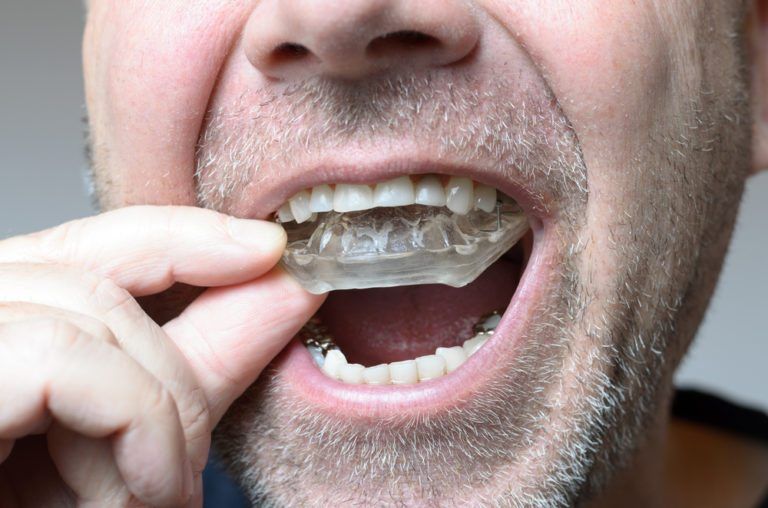
How Dentists Treat Morning Tooth Pain
The right treatment depends on the underlying cause. Common solutions include: Custom Nightguards
A custom dental nightguard protects your teeth from grinding pressure while you sleep. Treating Cracked Teeth
Crowns or other restorative treatments may be used to strengthen damaged teeth. Bite Adjustments
Minor bite corrections can reduce uneven pressure on certain teeth. Managing Sinus or Gum Issues
In some cases, addressing sinus inflammation or gum irritation can resolve the discomfort.
Don’t Ignore What Your Teeth Are Telling You
Morning tooth pain may seem minor at first, but it’s often a signal that something is putting extra stress on your teeth while you sleep. The sooner the cause is identified, the easier it usually is to treat-and the easier it will be to wake up without discomfort. At Bright Star Dental, Dr. Tyler Parsons helps patients identify the causes of morning tooth pain and protect their teeth from long-term damage. If you’re waking up with sore teeth or jaw discomfort, scheduling a quick evaluation can help you start your day pain-free again. Simple rule:
If your teeth feel sore in the morning but improve during the day, nighttime grinding or clenching is often the culprit. 
Frequently Asked Questions
Why do my teeth hurt when I wake up? Expand The most frequent cause is nighttime clenching or grinding, a condition called sleep bruxism. While you sleep, your jaw muscles can tighten and repeatedly press the teeth together. This constant pressure irritates the tooth ligaments and surrounding muscles, which can make your teeth feel sore or tender when you wake up. Clenching can be triggered by stress, sleep disorders, or bite alignment issues. What is sleep bruxism? Expand Sleep Bruxism is a condition where a person grinds, clenches, or presses their teeth together during sleep without realizing it. Common signs include:
- Morning jaw soreness
- Tooth sensitivity
- Headaches when waking up
- Flattened or worn teeth
- Tight or fatigued jaw muscles
Dentists often notice worn enamel or small fractures that indicate grinding. Can grinding actually make my teeth sensitive? Expand Yes. Grinding can wear down enamel, the protective outer layer of the tooth. When enamel thins, the underlying dentin becomes exposed, making teeth much more sensitive to cold, heat, or sweets. Grinding also causes inflammation in the periodontal ligament, the tiny cushion that holds each tooth in the bone. When that ligament becomes irritated, teeth can feel sore to bite on-even if they are otherwise healthy. Why does my jaw hurt in the morning? Expand Jaw pain in the morning is commonly linked to problems with the temporomandibular joint (TMJ), the hinge that connects your jaw to your skull. Temporomandibular Joint Disorder can cause:
- Jaw soreness
- Clicking or popping
- Ear pain or pressure
- Limited jaw movement
- Facial muscle fatigue
Clenching and grinding at night place intense strain on this joint, which is why symptoms are often worse when you wake up. Can sleep position cause tooth or jaw pain? Expand It can contribute. Sleeping on your stomach or pressing your jaw into a pillow can push the jaw into a strained position for hours. Over time, this may aggravate jaw muscles and joints. Side sleeping with strong jaw pressure may also worsen clenching in some people. Could sinus pressure make my teeth hurt in the morning? Expand It’s a good idea if the pain:
- Happens frequently
- Comes with headaches or jaw clicking
- Makes teeth sensitive to biting
- Is getting worse over time
A dentist can check for signs of grinding, enamel wear, cracked teeth, bite problems, or TMJ issues. Many patients benefit from a custom night guard, which cushions the teeth and protects them from grinding forces. What can help prevent morning jaw or tooth pain? Expand Helpful strategies include:
- Wearing a custom night guard
- Managing stress before bedtime
- Avoiding caffeine late in the day
- Stretching or relaxing the jaw muscles before sleep
- Improving sleep posture
Addressing grinding early can prevent tooth fractures, enamel wear, and chronic jaw problems.