Are Electric Toothbrushes Really Better?

It’s a small decision that most people don’t think twice about.
Standing in the dental aisle, you reach for a toothbrush. Maybe it’s what you’ve always used. Maybe it’s what’s on sale.
Manual or electric, does it really make a difference?
It turns out… it can.
The Real Question Isn’t If You Brush, It’s How Well
Brushing your teeth twice a day is essential. But technique, consistency, and coverage matter just as much as frequency.
That’s where electric toothbrushes start to stand out.
They don’t just help you brush, they help you brush better.
What Makes Electric Toothbrushes Different?
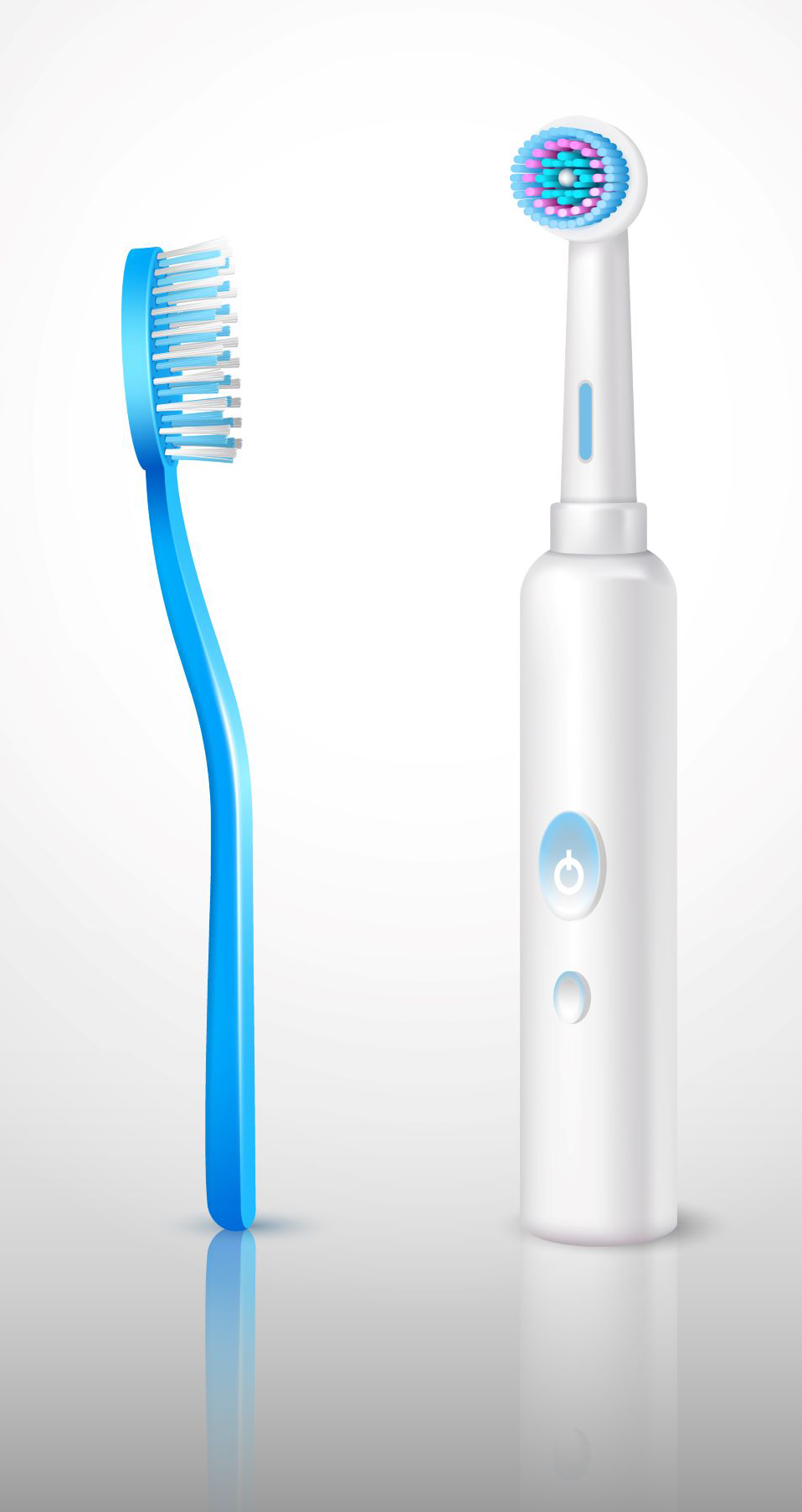
Electric toothbrushes are designed to do the work for you—using oscillating, rotating, or sonic movements to clean more efficiently than manual brushing alone.
Many also include built-in features like:
- Timers to ensure you brush for a full two minutes
- Pressure sensors to prevent brushing too hard
- Multiple cleaning modes for sensitivity or gum care
It’s like having a little guidance built into your routine.
Do They Actually Clean Better?
In many cases, yes. Electric toothbrushes can:
- Remove more plaque
- Improve gum health over time
- Provide more consistent results (especially if your technique varies)
For patients who struggle with brushing too quickly, missing areas, or applying too much pressure, the difference can be significant.
When a Manual Toothbrush Works Just Fine
A manual toothbrush can absolutely be effective, if it’s used correctly. That means:
- Brushing for a full two minutes
- Using gentle, circular motions
- Reaching all surfaces (especially along the gumline)
- Replacing your toothbrush regularly
The challenge? Most people don’t consistently do all of those things.
Who Benefits Most from an Electric Toothbrush?
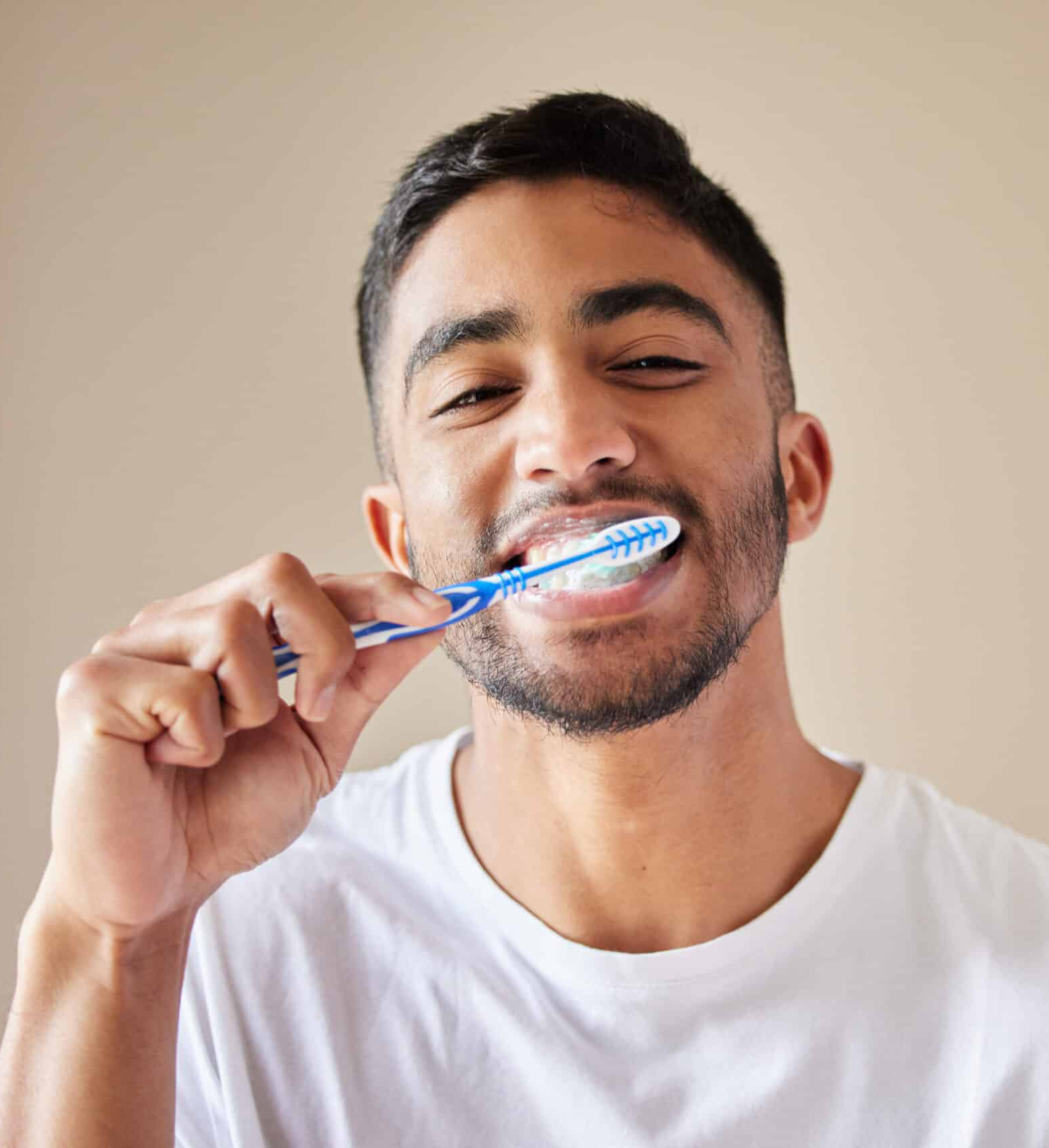
While almost anyone can benefit, electric toothbrushes are especially helpful for:
- People with sensitive gums (thanks to pressure control)
- Those who tend to brush too hard
- Children learning proper technique
- Anyone with limited dexterity (arthritis, mobility issues)
- Busy schedules where consistency matters
It removes a lot of the guesswork.
What to Look for in a High-Quality Electric Toothbrush
Not all electric toothbrushes are created equal. A thoughtfully designed model can make a noticeable difference in both comfort and results.
Look for:
- A built-in timer
- A pressure sensor
- Soft bristle heads
- A comfortable, ergonomic handle
- Reliable battery life
You don’t need the most expensive model, but you do want one that supports good habits.
The Bottom Line
Electric toothbrushes aren’t just about convenience, they’re about consistency.
They help you apply the right pressure, brush for the right amount of time, and reach the areas that are easy to miss.
And over time, those small improvements add up.
A Better Routine, A Healthier Smile
Whether you prefer manual or electric, the goal is the same: a clean, healthy smile that lasts.
If you’re wondering whether switching to an electric toothbrush would make a difference for you, we’d love to help guide you.
At Bright Star Dental, we focus on the details that make daily care easier and more effective.
Let’s find what works best for you.