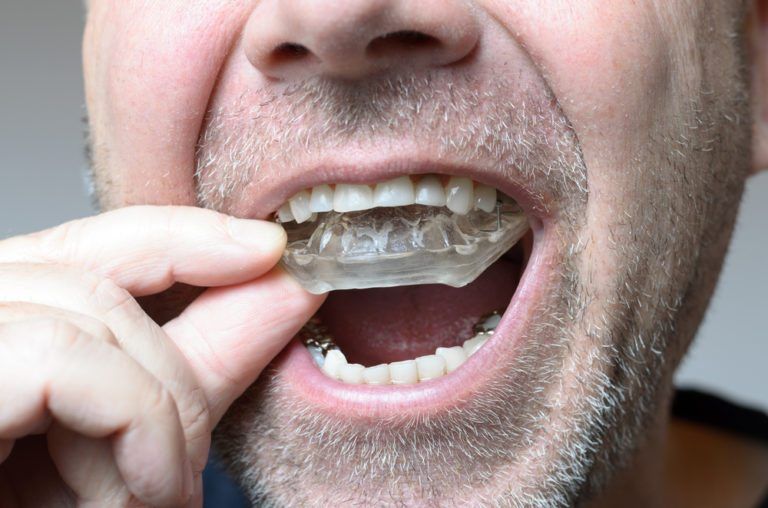
The Hidden Damage of Teeth Grinding, and How to Stop it

It usually shows up quietly.
A dull ache in your jaw when you wake up.
A little more sensitivity than usual.
Maybe a faint headache that seems to come out of nowhere.
It’s easy to brush off. Stress. Sleep position. Just one of those things.
But for many people, these small signals point to something happening night after night—often without them realizing it.
Teeth grinding.


What Is Teeth Grinding (and Why It Happens)
Teeth grinding, also called bruxism, most often happens during sleep. That’s what makes it so tricky. You can’t feel it happening, and by the time symptoms show up, your teeth may already be under strain.
Common causes include:
- Stress and anxiety
- Sleep disturbances
- Bite misalignment
- Airway or breathing issues
- Certain medications
For many patients, it’s not just one cause. it’s a combination.


What Are Implant Supported Dentures?
The Damage You Don’t See (At First)
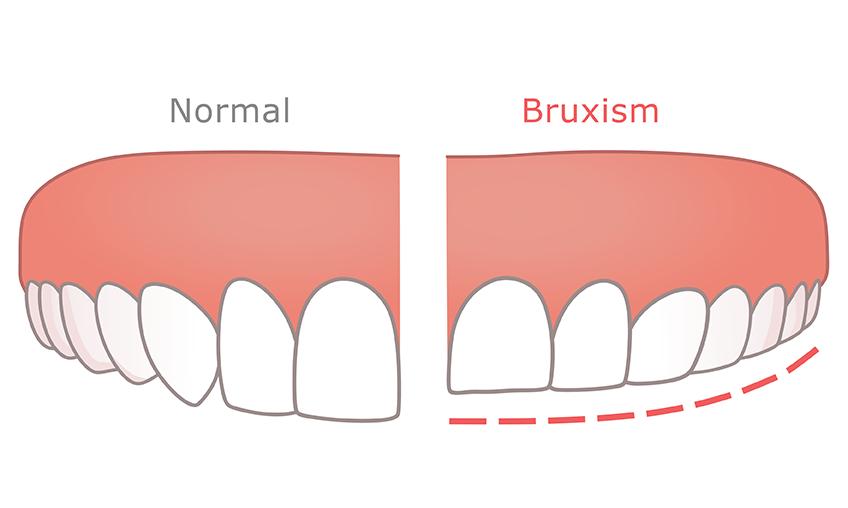
Teeth grinding isn’t just a harmless habit. Over time, the pressure can be surprisingly intense, often stronger than what you use when chewing.
That force can lead to:
Worn or Flattened Teeth
Enamel slowly wears down, leaving teeth more vulnerable to sensitivity and decay.
Cracks and Fractures
Small cracks can form, sometimes without pain—until they suddenly become a bigger issue.
Jaw Pain and TMJ Strain
Grinding puts constant stress on the jaw joint, leading to soreness, stiffness, and even clicking or locking.
Headaches and Facial Tension
Many patients don’t realize their morning headaches are connected to nighttime grinding.
Gum Recession and Tooth Mobility
In more advanced cases, the pressure can affect the structures supporting your teeth.
Signs You Might Be Grinding Your Teeth
Because it often happens during sleep, the signs are easy to miss. But your body usually leaves clues:
- Waking up with jaw soreness or tightness
- Teeth that feel sensitive or “different”
- Chipped or worn edges
- Frequent morning headaches
- A partner noticing grinding sounds at night
If any of these sound familiar, it’s worth taking a closer look.
Why It’s Important to Address It Early
One of the most frustrating things about teeth grinding is how quietly the damage builds.
By the time it becomes obvious, it can mean:
- More extensive dental work
- Increased discomfort
- Longer, more involved treatment
Catching it early allows for simpler, more conservative solutions—and protects the natural structure of your teeth.
How to Stop Teeth Grinding (and Protect Your Smile)
The good news is that there are effective, personalized ways to manage bruxism.
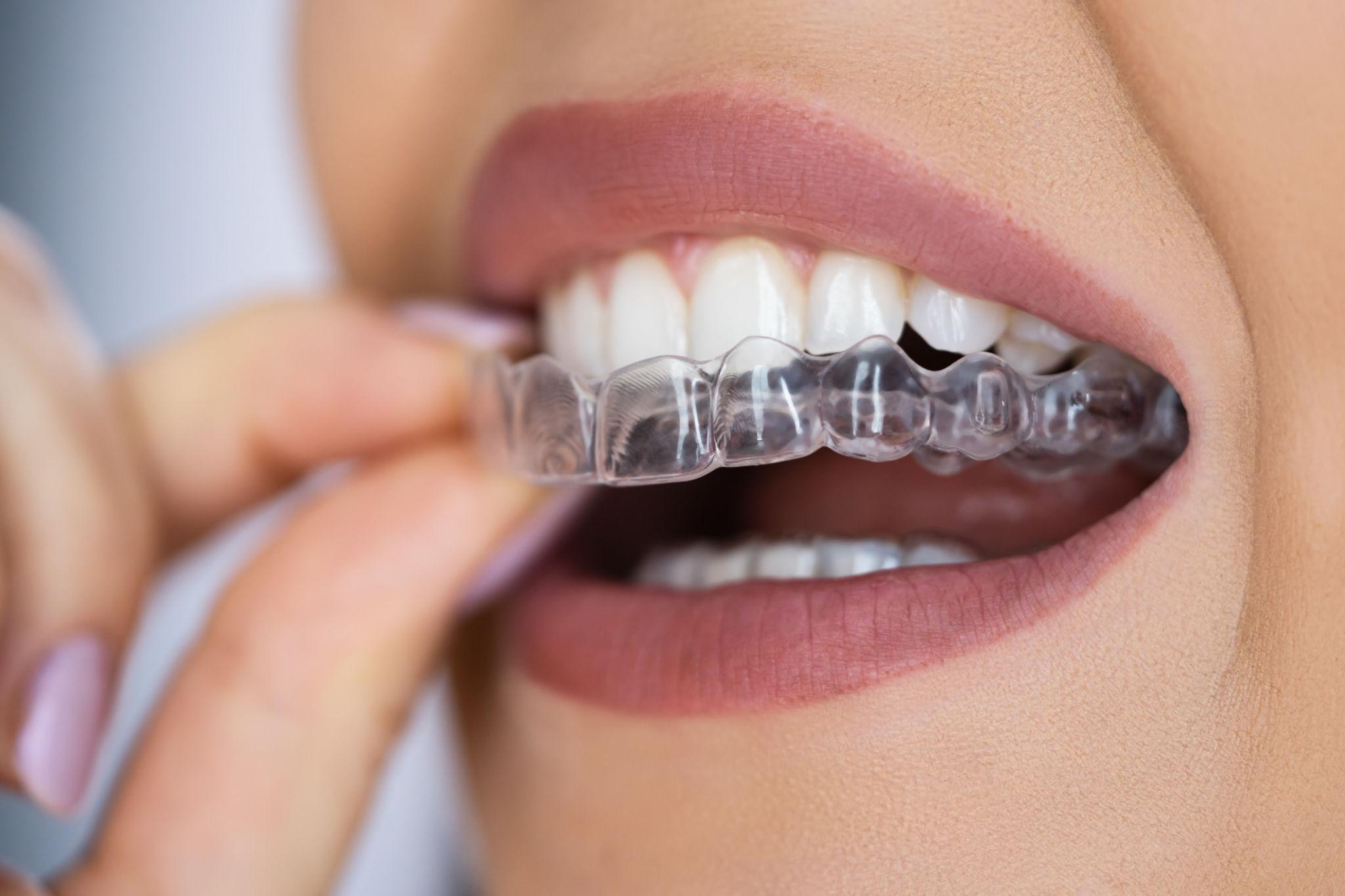
Custom Night Guards
A professionally made night guard creates a protective barrier between your teeth, reducing wear and relieving pressure on your jaw.
Addressing the Root Cause
If stress is a factor, small lifestyle shifts can help. If it’s related to sleep or airway issues, further evaluation may be recommended.
Bite and Alignment Evaluation
In some cases, adjusting how your teeth come together can reduce strain.
Muscle Relaxation Techniques
Gentle stretching, massage, or relaxation before bed can make a difference for some patients.

The Bigger Picture
Teeth grinding isn’t just about your teeth.
It’s often connected to how you sleep, how you breathe, and how your body manages stress. That’s why a thoughtful, whole-health approach tends to be the most effective.
At Bright Star Dental, we look beyond the surface, so you’re not just treating symptoms, but actually protecting your long-term health.
Don’t Ignore the Subtle Signs
If something feels “off” when you wake up, there’s usually a reason.
A quick conversation and a closer look can often catch grinding early, before it leads to more significant damage.
Let’s Protect Your Smile While You Sleep
If you suspect teeth grinding may be affecting you, we’d love to help you find answers and solutions that fit comfortably into your life.
Schedule a visit with Bright Star Dental and let’s take a closer look together.