
What Your Tongue Says About Your Health


It’s not something most people think to check.
You brush your teeth. Maybe floss. A quick glance in the mirror and you’re on with your day.
But your tongue?
It’s quietly one of the most revealing indicators of what’s happening inside your body.
Color. Texture. Coating. Even subtle changes can offer clues, not just about your oral health, but your overall well-being.
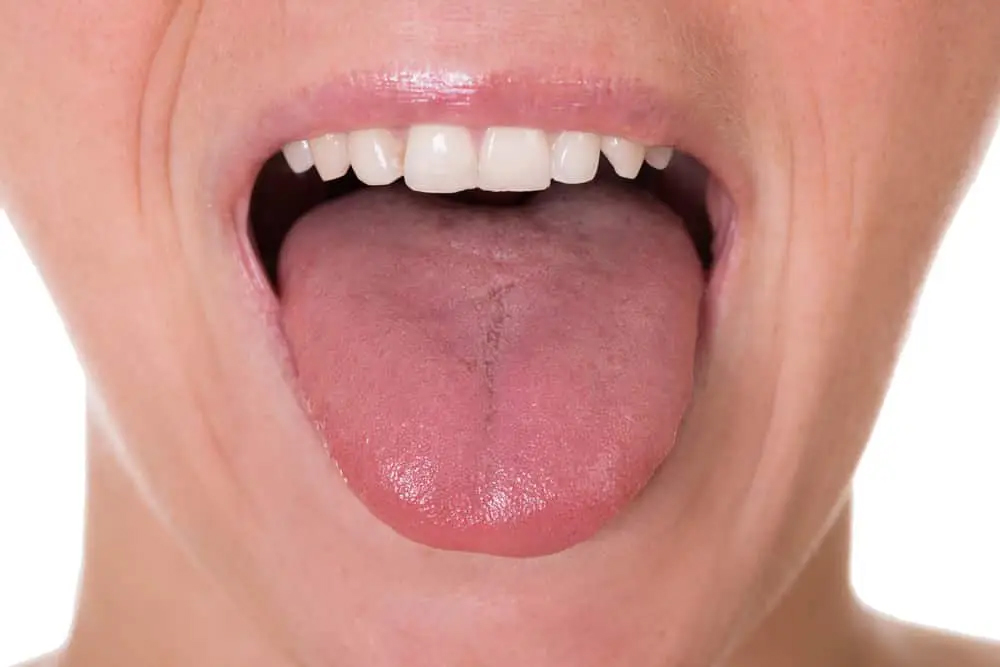
A Healthy Tongue: What Should It Look Like?
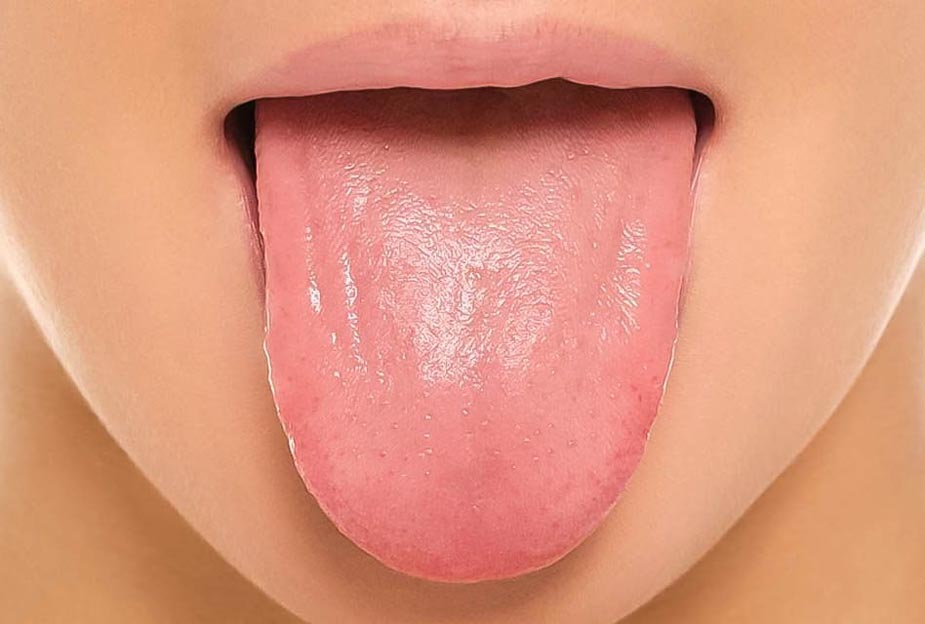
A healthy tongue is typically:
- Soft pink in color
- Slightly textured (from tiny bumps called papillae)
- Moist, but not overly coated
If that sounds familiar, you’re likely right where you want to be.
But when something changes, your tongue is often one of the first places it shows up.

What Different Tongue Changes Might Mean
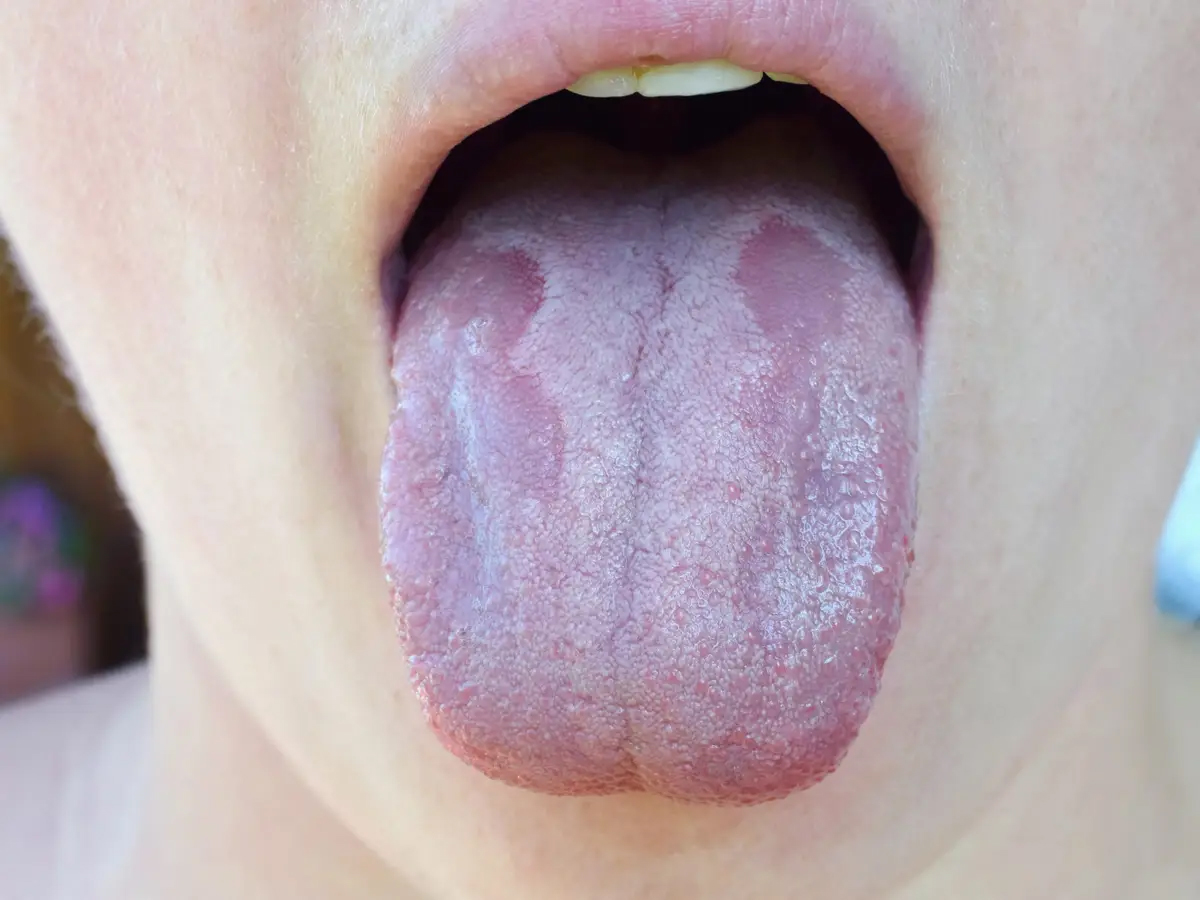
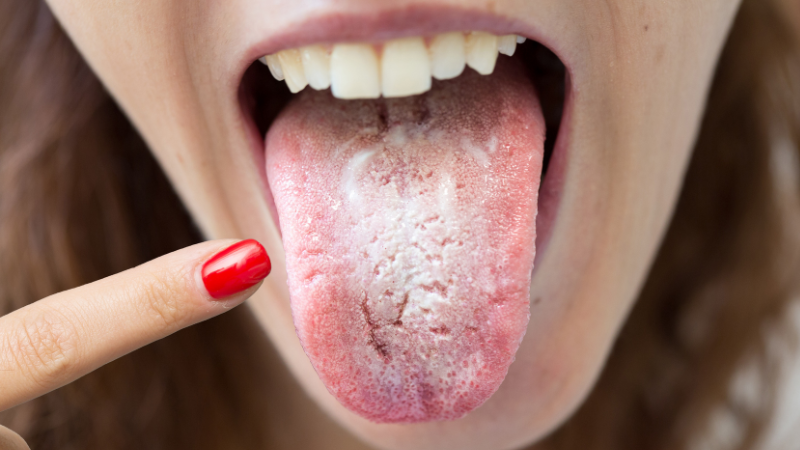
White Coating or Patches
A thin white coating can simply mean bacteria buildup—often from dry mouth or not brushing the tongue.
But thicker patches could point to:
- Oral thrush (a yeast overgrowth)
- Irritation or inflammation
- Dehydration
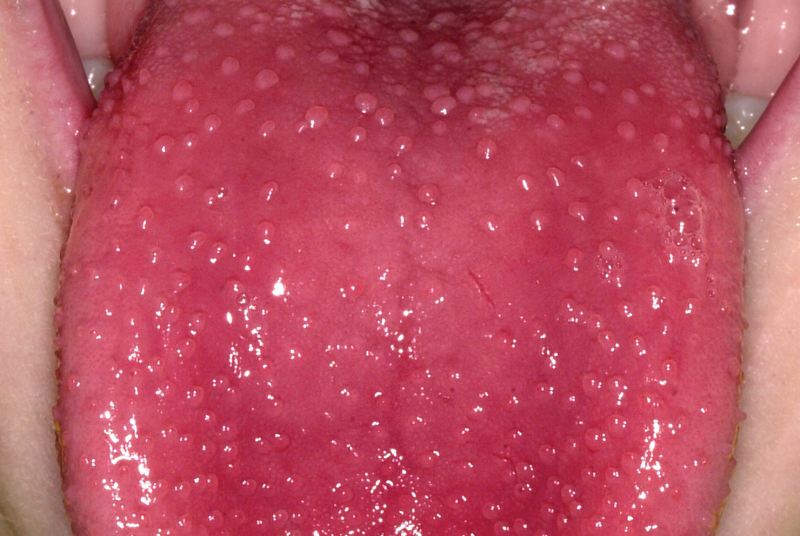
Bright Red or “Strawberry” Tongue
A red, glossy tongue can sometimes signal:
- Vitamin deficiencies (like B vitamins or iron)
- Inflammation
- Certain infections
It’s not something to ignore, especially if it lingers.
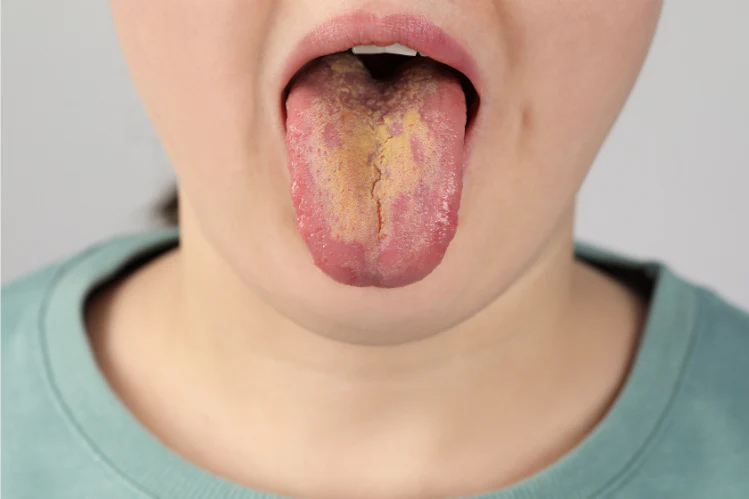
Yellow or Coated Tongue
Often linked to:
- Bacteria buildup
- Dry mouth
- Smoking or certain foods
This is usually manageable with improved oral hygiene, but it’s still worth noting.
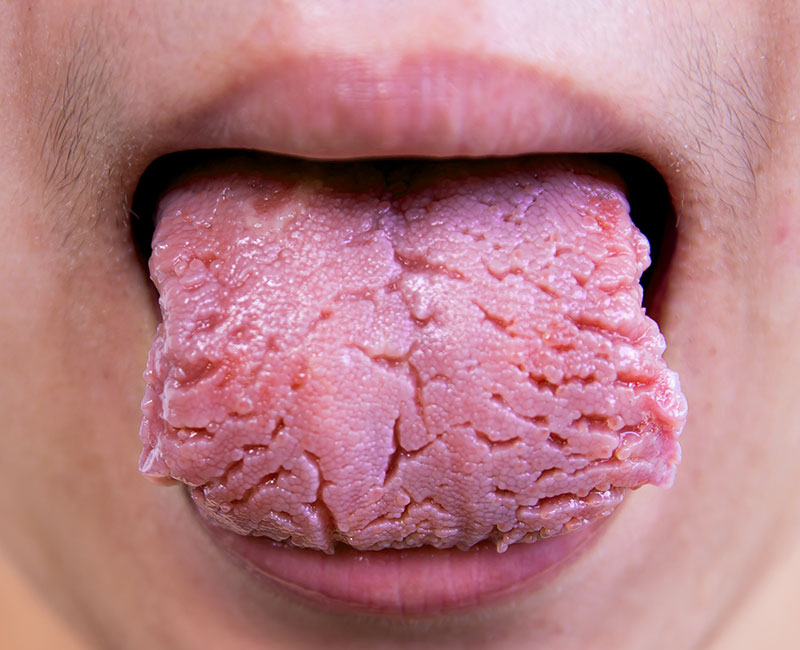
Cracked or Fissured Tongue
Small grooves or cracks are often harmless and can simply be a natural variation. However, deeper fissures may:
- Trap bacteria
- Contribute to bad breath
- Require a little extra care when cleaning
Smooth or Glossy Tongue
If your tongue looks unusually smooth, it may be missing those normal tiny bumps. This can sometimes be linked to:
- Nutritional deficiencies
- Irritation or underlying health conditions
The Role of Dry Mouth
Many tongue changes trace back to one common issue: dry mouth.
Saliva plays a critical role in keeping your mouth balanced. When it’s reduced, bacteria can build up more easily—affecting not just your tongue, but your teeth and gums as well.
When to Pay Closer Attention
Occasional changes happen and often resolve quickly.
But it’s worth taking a closer look if you notice:
- Changes that last more than a couple of weeks
- Pain, burning, or discomfort
- Thick coatings that don’t improve
- Unusual patches or discoloration
Your mouth has a way of signaling when something needs attention.
Simple Habits That Make a Difference
A few small adjustments can go a long way:
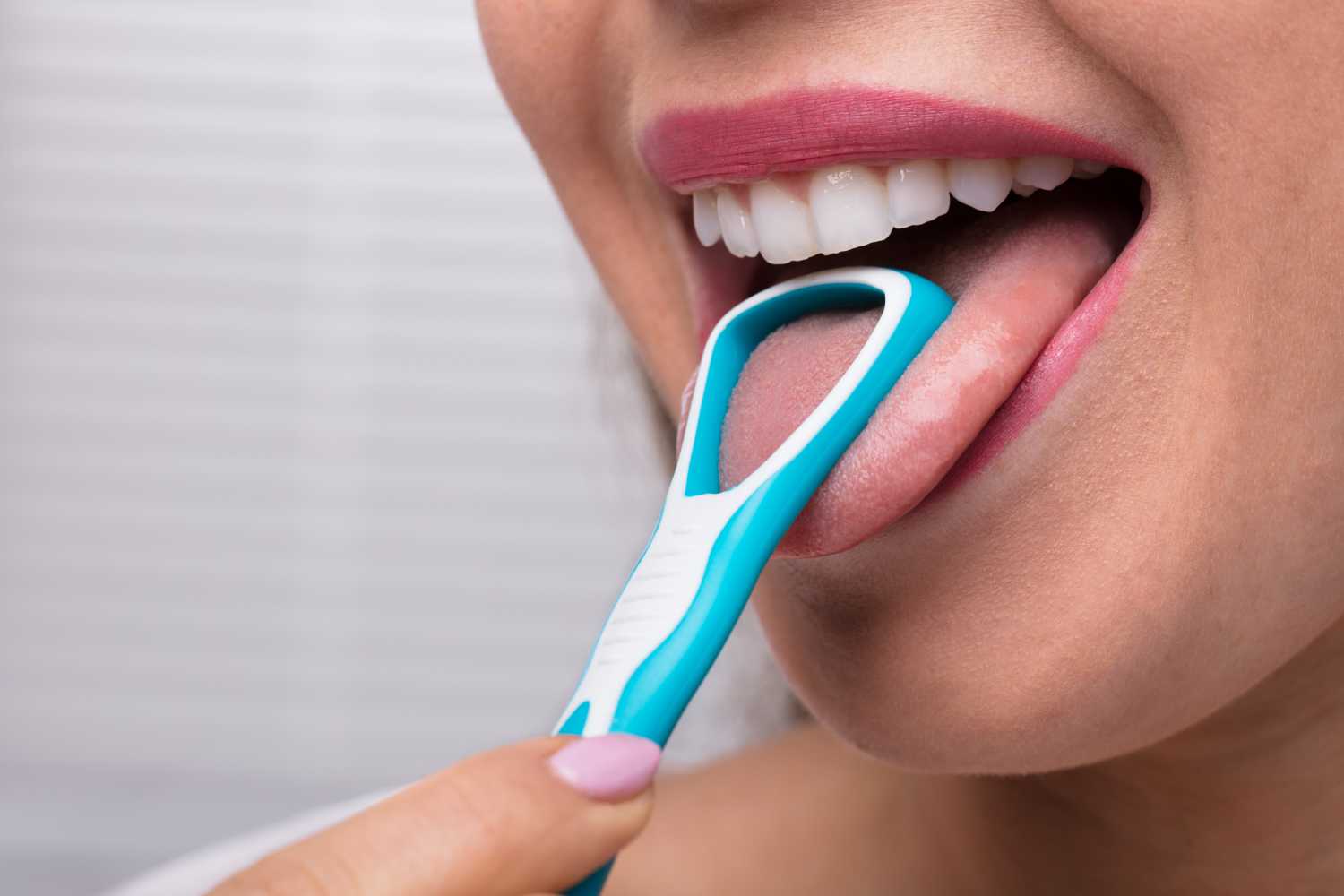
- Gently clean your tongue daily (a scraper or toothbrush works well)
- Stay well hydrated
- Keep up with regular dental visits
- Pay attention to changes instead of ignoring them

The Bigger Picture
Your tongue isn’t just part of your smile, it’s part of your body’s communication system.
And while not every change is serious, it’s one of the easiest places to catch early signs of imbalance.
A Healthier Smile Starts with Awareness
If something doesn’t look or feel quite right, it’s always worth asking.
At Bright Star Dental, we take a whole-health approach—looking beyond the obvious to help you stay ahead of potential concerns.
Let’s take a closer look together.