
Is Mouth Breathing Affecting Your Teeth and Health?

A patient mentioned it almost in passing.
“I keep seeing these ads for mouth tape… is that actually good for you?”
It’s a fair question and one that’s coming up more often lately. Because while the trend may feel new, the issue behind it isn’t.
Long before social media discovered it, dentists and medical professionals have been paying close attention to how we breathe and what happens when we rely on the mouth instead of the nose. It starts with a simple question: are you breathing through your mouth more than you should?
Why Mouth Breathing Matters More Than You Think
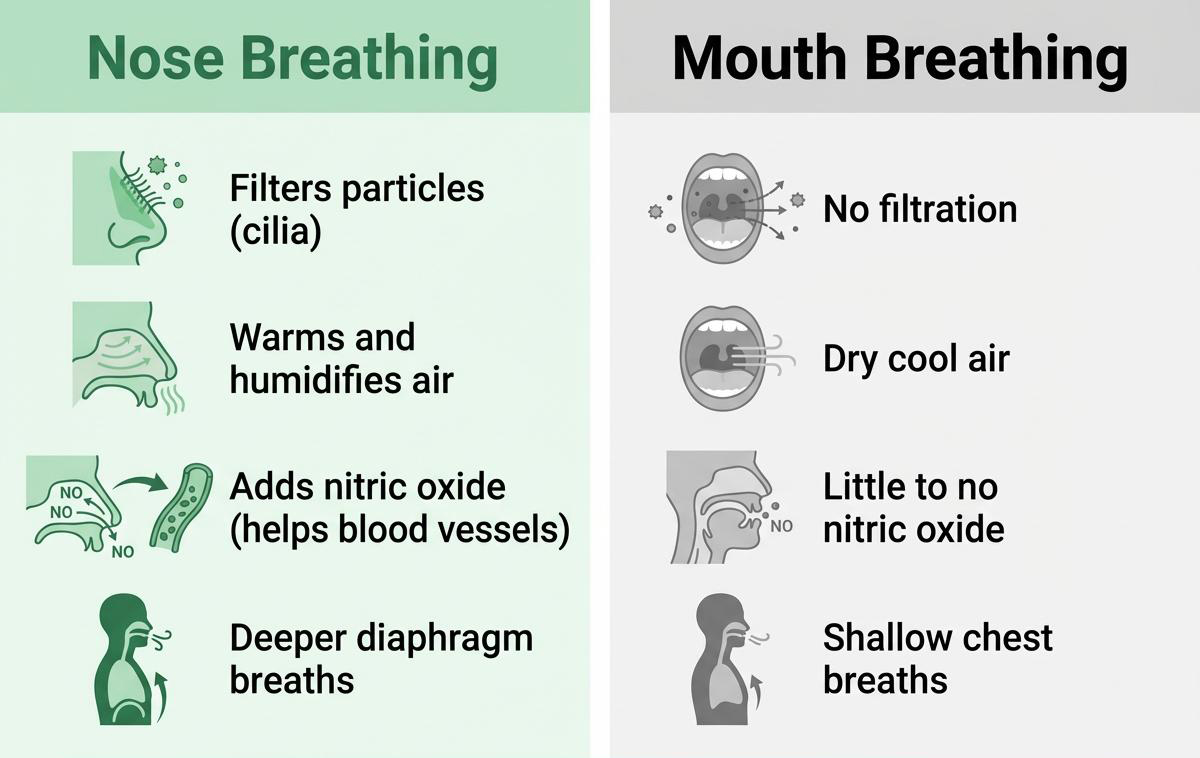
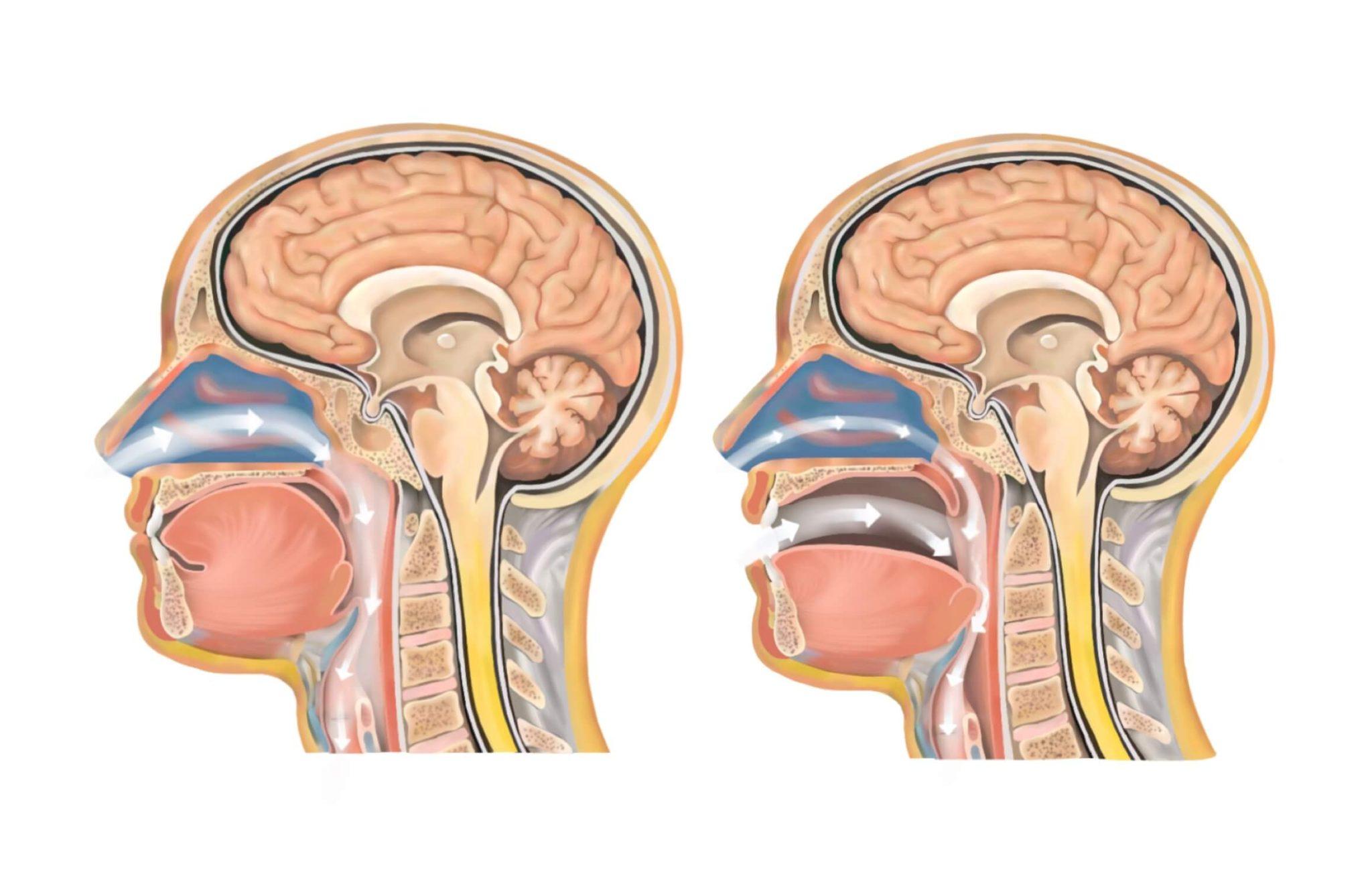
Your body is designed to breathe primarily through your nose. It’s not just a preference, it’s protective.
Nasal breathing:
- Filters dust, allergens, and bacteria
- Warms and humidifies the air
- Supports proper oxygen exchange
When you switch to mouth breathing, especially at night, you bypass all of that. Over time, that can quietly affect both your oral health and your overall wellness.
Signs You Might Be a Mouth Breather
You may not notice it happening, especially while you sleep. But here are a few clues:
- Waking up with a dry mouth or sore throat
- Chapped lips in the morning
- Snoring or restless sleep
- Bad breath that returns quickly
- Needing frequent sips of water overnight
If that sounds familiar, your breathing pattern may be playing a bigger role than you realize.


What About Mouth Tape?
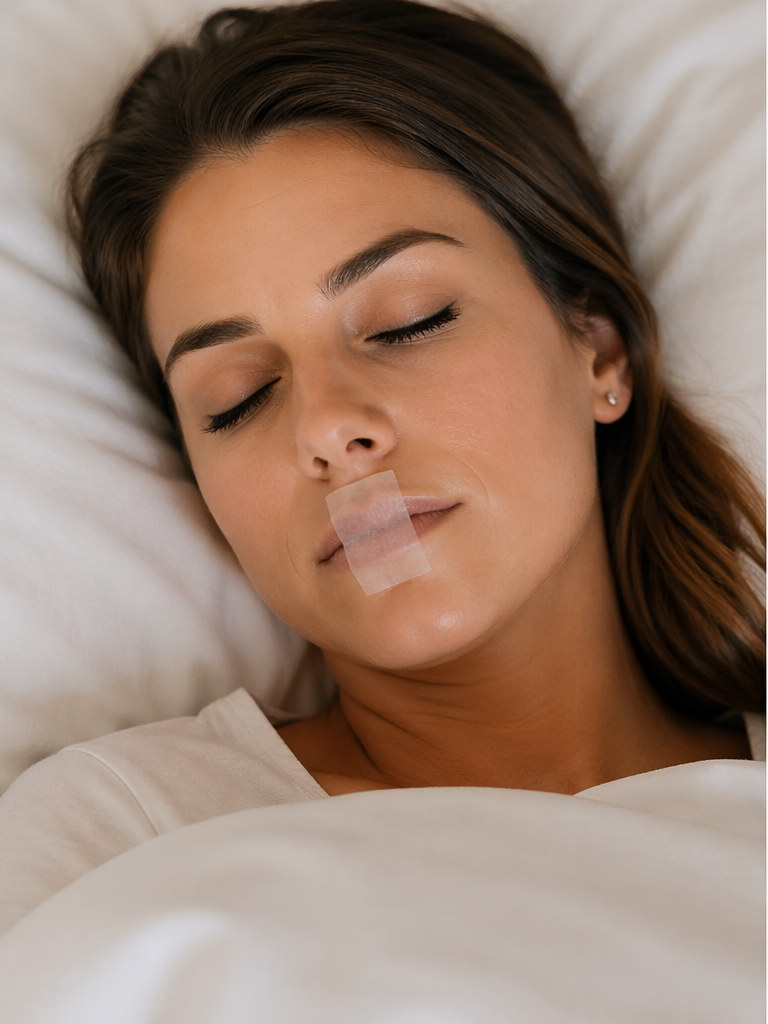
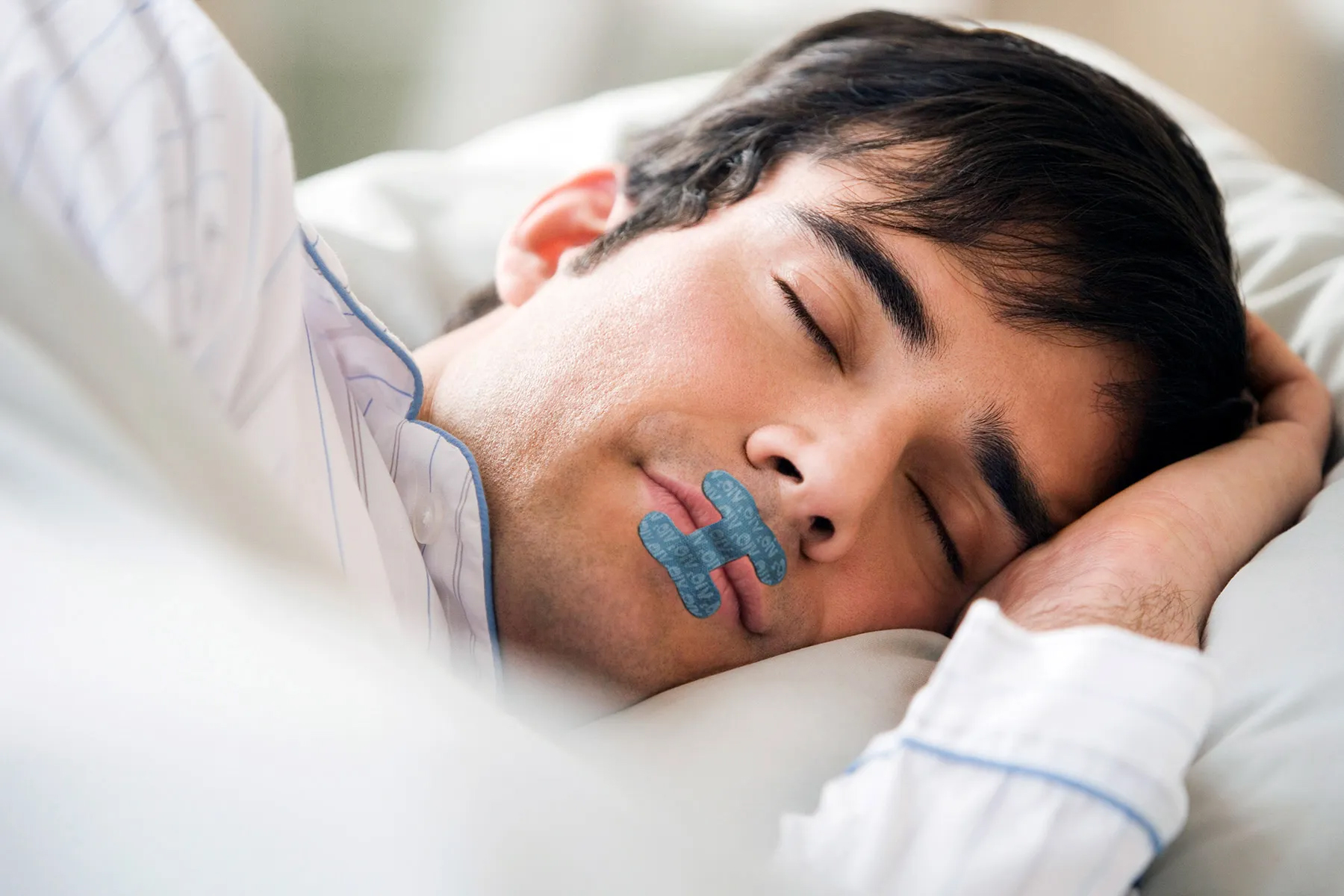
Mouth taping has gained attention as a way to encourage nasal breathing during sleep. The idea is simple: gently keeping the lips closed may help train your body to breathe through your nose.
But here’s the important part, it’s not a one-size-fits-all solution.
Mouth taping may not be appropriate if you have:
- Nasal congestion or allergies
- A deviated septum
- Sleep apnea or suspected airway issues
In those cases, forcing the mouth closed can actually make breathing more difficult, not better.
A Better Approach: Find the Root Cause
If mouth breathing is happening regularly, it’s usually a sign of something else going on:
- Chronic nasal congestion
- Enlarged tonsils or airway restrictions
- Sleep-disordered breathing
- Habitual breathing patterns
That’s why the most effective approach isn’t just treating the symptom, it’s understanding the why.
At Bright Star Dental, we often look beyond the teeth to see the bigger picture. Airway health, sleep quality, and oral health are more connected than most people realize.
Small Changes That Can Make a Big Difference
Depending on the cause, simple steps can help:
- Addressing nasal congestion or allergies
- Staying well hydrated
- Using a humidifier at night
- Being mindful of breathing patterns during the day
- Exploring airway-focused evaluations if needed
For some patients, even small adjustments lead to noticeable improvements in comfort, sleep, and oral health.
The Bottom Line
That mouth tape ad you saw? It’s pointing to something real, but it’s only part of the story.
If you’re waking up dry, dealing with recurring dental issues, or not sleeping as well as you’d like, your breathing habits may be worth a closer look.
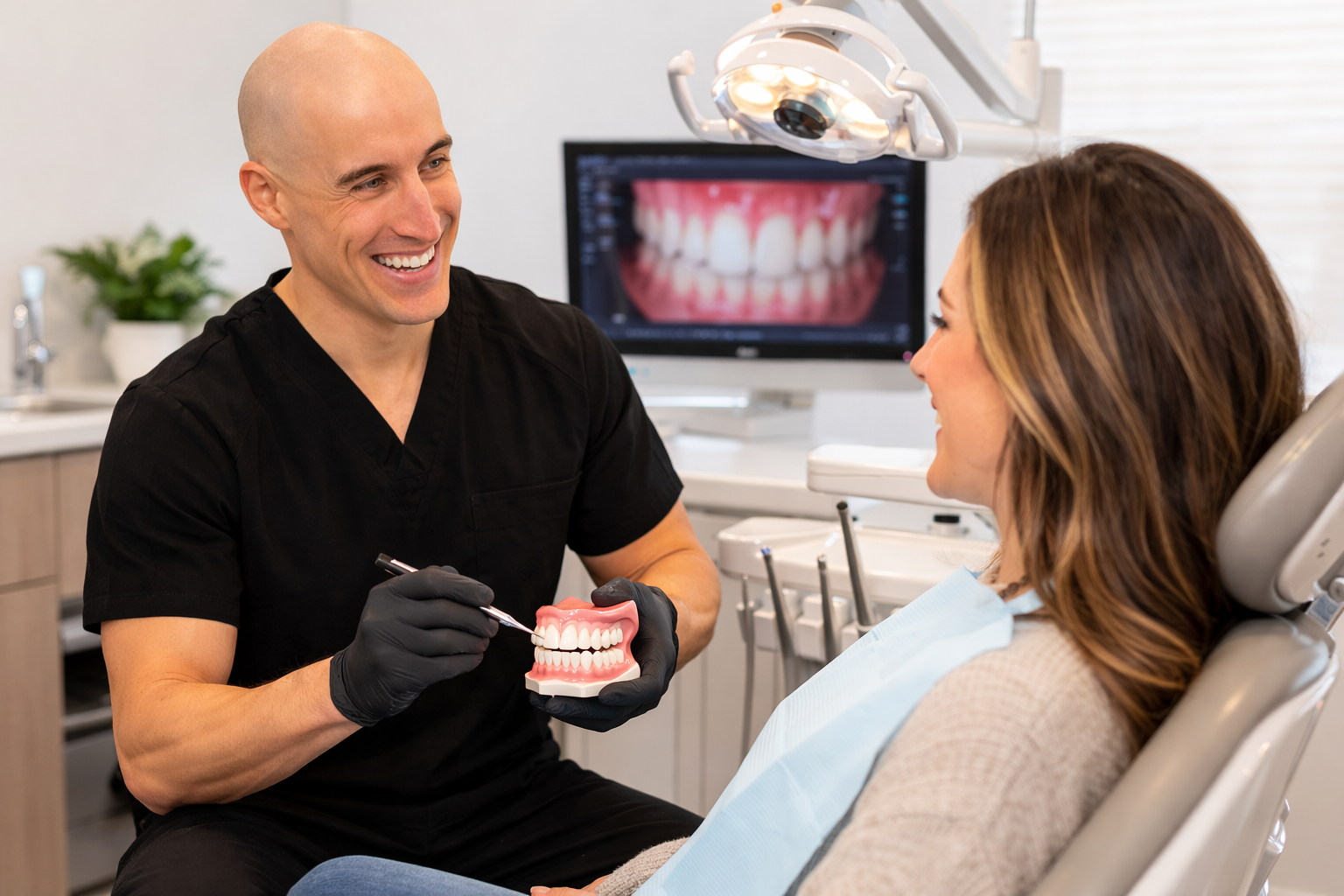
A Healthier Smile Starts with Better Breathing
If you’re curious whether mouth breathing could be affecting your teeth or overall health, we’d love to help you explore it.
At Bright Star Dental, Dr. Tyler Parsons takes a whole-health approach—looking beyond symptoms to help you find lasting solutions.
Let’s take a closer look together.